

Turkish citizenship applications involving international families can become complicated long before the file reaches the final administrative review.
Applicants may have been born in one country, married in another and currently reside in a third jurisdiction. Their children may hold different passports, while names, dates and family relationships may be recorded differently across official documents.
These differences do not necessarily prevent a citizenship application. However, they can create delays and additional documentation requirements if they are discovered only after translations, notarizations and formal submissions have begun.
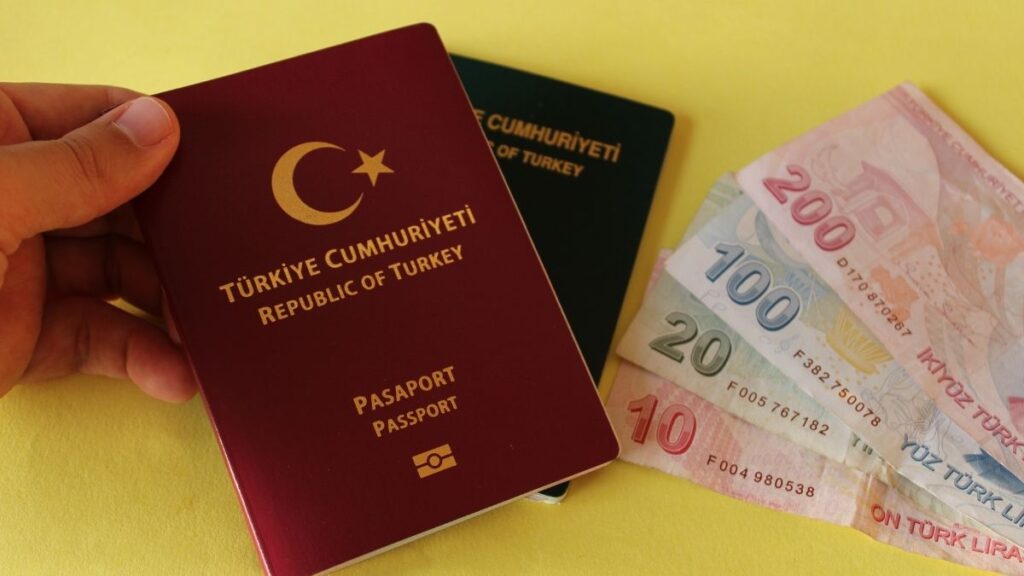
For foreign applicants, preparing a citizenship file is therefore not simply a matter of collecting documents. The documents must also tell a clear, consistent and legally verifiable story.
Identity Information Must Remain Consistent
Passports, birth certificates, marriage records and criminal record documents are issued by different authorities and under different national systems.
Even where all documents belong to the same person, the recorded information may not appear in exactly the same form.
Common differences include:
- Alternative spellings of names
- Different surname formats
- Missing middle names
- Changes following marriage or divorce
- Different transliterations from non-Latin alphabets
- Conflicting dates or places of birth
- Different formats for the names of parents
A minor spelling difference may appear unimportant to the applicant but may require clarification during an official application. Where the same person appears under several names, supporting documents may be needed to establish that the records refer to one individual.
Applicants should compare their documents before arranging translations. Translating inconsistent records without first identifying the discrepancy may reproduce the same problem in Turkish.
Marriage Records Require Careful Review
Marriage to a Turkish citizen does not provide automatic citizenship. Under the applicable legal route, the foreign spouse must generally have been married to a Turkish citizen for at least three years, and the marriage must be continuing when the application is made.
The authorities may also examine whether the spouses live within a genuine family relationship and whether the other statutory conditions are satisfied.
International marriage records can raise additional questions. A marriage conducted abroad must be legally valid and properly reflected in the relevant civil registration systems. Previous marriages and divorces may also need to be documented.
Where a person has changed their surname after marriage, the connection between the birth record, previous passport and current identity document should be clear.
Applicants who assume that a marriage certificate is the only family document required may overlook records relating to previous civil status, name changes or children.
Children Need Individual Documentation
Citizenship applications involving children require separate consideration for each child.
Birth certificates should clearly establish the relationship between the child and the parents. Where parents are divorced, separated or not applying together, custody judgments or consent documentation may be relevant.
Additional issues may arise where:
- One parent cannot be contacted
- A child was born outside the parents’ country of citizenship
- The parents’ names appear differently on the birth certificate
- The child has been adopted
- A custody decision was issued by a foreign court
- The child is approaching adulthood
- The family uses more than one surname system
The principal applicant’s eligibility does not remove the need to establish each child’s identity and family relationship.
Families should determine at the beginning of the process which children may be included in the application and whether any additional permission or court documentation will be required.
Apostille and Legalization Rules Are Not Identical
Foreign documents generally need to be accepted as legally authentic before they can be used in Turkish administrative procedures.
Depending on the issuing country and the applicable international agreements, a document may require an apostille or consular legalization. It may then need to be translated into Turkish by a sworn translator and notarized.
Applicants sometimes assume that every foreign document can be apostilled. Others believe that notarization alone makes a document internationally valid. Neither assumption is correct in every case.
The correct procedure depends on factors including:
- The country that issued the document
- The type of document
- Whether the document is original or electronic
- The authority that will receive it in Türkiye
- The international agreements applicable to the issuing country
Documents should therefore be reviewed before the legalization process begins. Using the wrong authentication method may result in unnecessary expense or rejection of the document.
Criminal Records May Come From Several Countries
Citizenship applicants may be asked to present criminal record documents relevant to their personal history.
A person who was born in one country but has lived for long periods in other jurisdictions may need to determine which records are applicable and how they should be obtained.
Criminal record certificates may also have limited validity periods. Obtaining them too early may result in expiration before the application is submitted, while obtaining them too late can delay the entire file.
The applicant should also check whether the document includes all necessary information and whether it can be apostilled or legalized in the form provided.
Citizenship Routes Should Not Be Mixed
Document requirements vary depending on the legal basis of the application.
A citizenship application based on marriage is not prepared in the same way as an application based on investment. Naturalization through residence has different conditions from exceptional citizenship. Applications connected to descent or family relationships may require additional civil registry evidence.
Before collecting documents, the applicant should identify the legal route and confirm the requirements applicable to that route.
A Turkish citizenship lawyer may help coordinate the applicant’s civil records, investment documents and immigration history. Information about Tuva Law’s citizenship law practice is available for foreign nationals and international families seeking assistance with Turkish citizenship procedures.
The Ankara-based firm provides English-language communication and legal support concerning different citizenship routes and related administrative matters.
Timing Is Part of Document Strategy
Citizenship documents do not all have the same preparation time or period of validity.
Some records can be obtained electronically within days, while others may require applications to courts, civil registries, consulates or archives. Apostille and consular legalization procedures can also take additional time.
A document plan should identify:
- Which documents are required
- Which authority will issue each document
- Whether legalization or apostille is necessary
- Whether translation and notarization are required
- How long each document remains valid
- Whether the original must be submitted
- Whether the document contains consistent identity information
Preparing documents in the wrong order may cause earlier records to expire before the remaining file is ready.
Early Review Can Prevent Avoidable Delays
No legal review can guarantee that a citizenship application will be approved. The final decision remains subject to Turkish law and administrative assessment.
However, a preliminary review can identify inconsistent names, missing civil status records, unsuitable legalization methods and family documents that require additional clarification.
Cross-border families should avoid waiting until the final submission stage to resolve these issues. Correcting a foreign civil record may require action in the country where it was issued and can take considerably longer than obtaining an ordinary translation.
The strongest application file is not necessarily the one containing the largest number of documents. It is the one in which the applicant’s identity, family relationships and legal basis are presented clearly and consistently.
As international families become increasingly connected to more than one country, document coordination will remain one of the most important aspects of Turkish citizenship preparation.
What is your reaction to this?
 I liked it
 Wonderful
 Thanks
 Good
Good Hahaha !
 Incredible
 Interesting
 Wrong
Wrong

